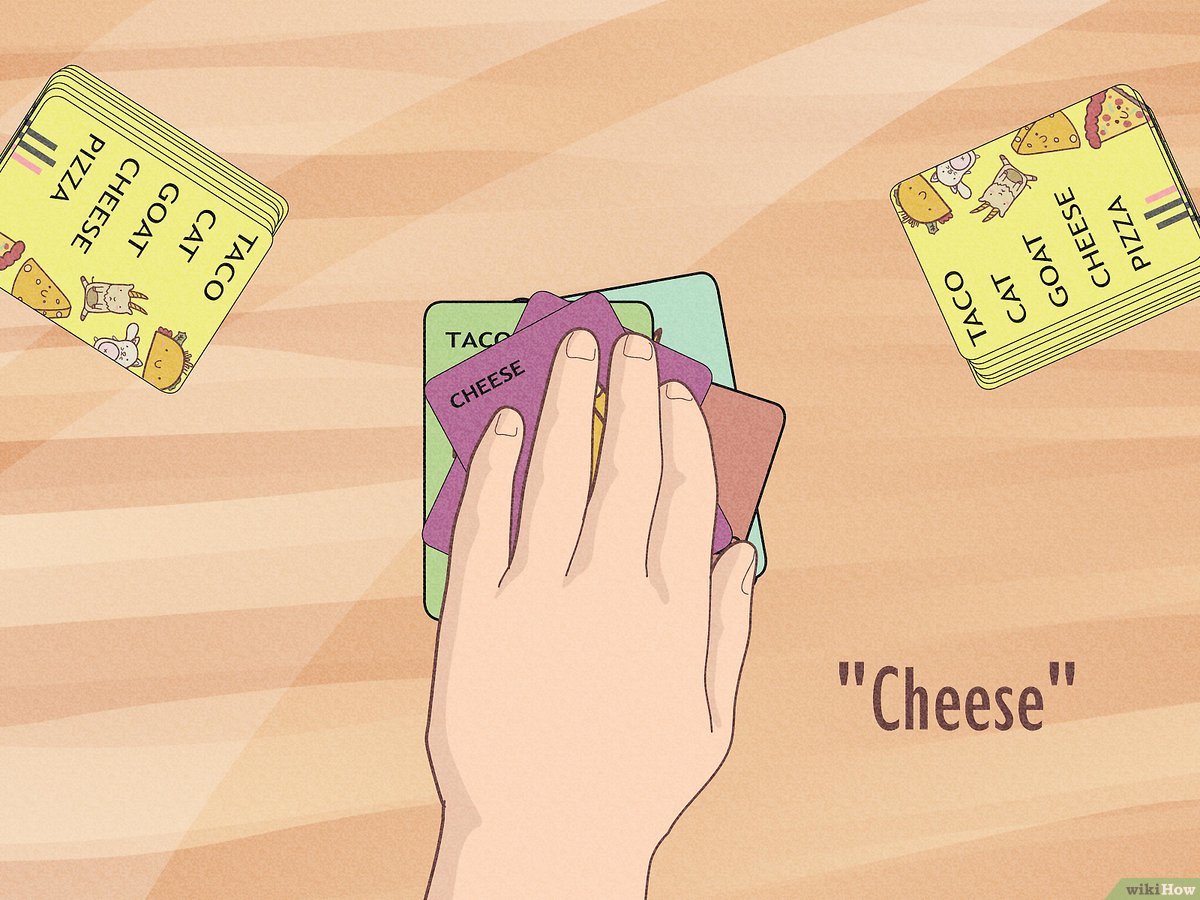
Yes — with a 4.8/5 rating on Amazon and thousands of five-star reviews, this game delivers pure chaos, hilarious moments, and zero learning curve for all ages.
Taco Cat Goat Cheese Pizza is genuinely fun for almost everyone who plays it. The combination of a dead-simple ruleset, physical slapping mechanics, and the hilarious brain-vs-reflex tension creates moments of pure shared laughter that are hard to replicate in any other card game. It is not a deep strategy game — it is a chaos machine that levels the playing field so a 7-year-old can beat a 40-year-old, and everyone walks away wanting to play again.
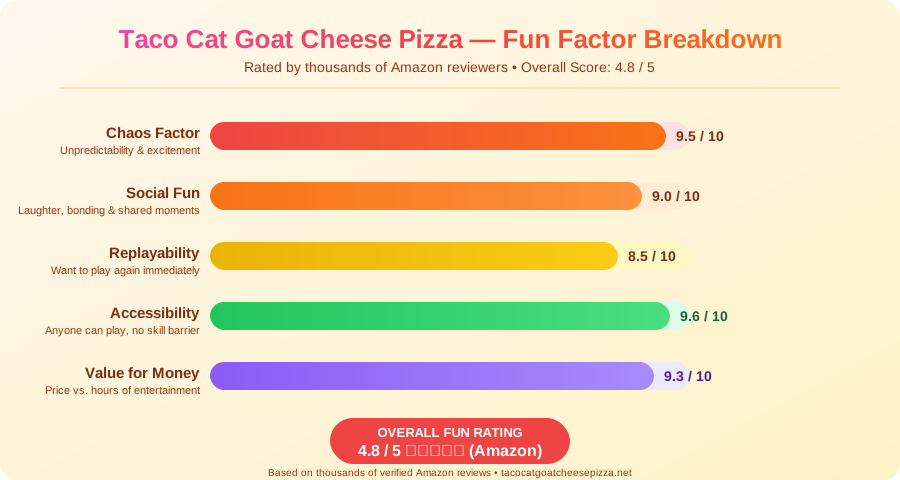
Not just hype — here is what actually makes it work
Unlike most card games, Taco Cat does not reward planning or strategy. Every round is a fresh start. The chaos comes from the speed, the surprise of special cards, and the fact that your own brain will betray you at the worst moment. This randomness is a feature, not a bug — it means anyone can win, and no one can dominate through skill alone.
The core mechanic exploits a genuine cognitive conflict. You see a cat card and your hand wants to slap — but you have to check whether the word you just said was actually “Cat.” This split-second internal battle is what makes the game feel electric. You know the rule perfectly, yet your hand slaps anyway. That moment of “why did I do that” is universally hilarious.
Most card games are passive — you sit, you think, you play a card. Taco Cat makes you move. The slap mechanic adds a physical, competitive dimension that gets everyone leaning forward and fully engaged. The sound of five hands hitting the table at once, the scramble to be first, the accidental hand-on-hand collisions — these physical moments create memories that purely mental games cannot.
A 7-year-old has the same chance of winning as a 45-year-old. Reaction speed matters more than knowledge, experience, or vocabulary. This makes the game genuinely inclusive — kids are not humored, they are actual competitors. Parents lose to their children regularly, which creates a different kind of fun: the joy of being beaten by someone who is delighted about it.
The gorilla chest-pound, the narwhal horn, the groundhog knock — these actions are inherently silly. Watching a group of adults pound their chests in unison before racing to slap a pile of cards is objectively funny. The game does not just allow laughter; it engineers it. Every session produces at least one moment that gets retold later.
A full game takes 15–20 minutes. When it ends, the loser immediately wants a rematch and the winner wants to defend their title. This creates a natural loop of “one more game” that can fill an entire evening without anyone noticing. The short format also means you can fit it into a lunch break, a waiting room, or the gap before dinner.
Every group experiences these — and they never get old
Someone slaps the pile with full confidence — and there is no match. The table goes silent for half a second, then erupts. The phantom slapper has to take the entire pile and usually cannot explain why they did it. This happens to everyone, including people who have played dozens of times.
A gorilla card appears. Everyone starts pounding their chest — except one person who slaps immediately and takes the pile. Or worse, someone does the narwhal horn instead of the gorilla pound and triggers a debate about whether that counts. The special card actions are simple in theory and chaotic in practice.
A match happens and all five players slam their hands down simultaneously. The pile scatters. Cards go everywhere. The argument about who was last is unresolvable. These moments of total chaos are peak Taco Cat and the ones people remember most.
You flip a pizza card and say “Pizza” instead of “Taco” (your position in the sequence). You have just created a false match. Half the table slaps. The other half did not. Now everyone is confused about whether it counts. The player who said the wrong word is usually laughing too hard to explain themselves.
A match happens. Everyone slaps instantly — except one person who processes it a full second later and brings their hand down in slow motion onto an already-settled pile. The look on their face as they realize they are last is priceless. This person takes the pile and immediately demands a rematch.
Every family has one: the grandparent who was skeptical about the game, played one round to be polite, and is now the most competitive person at the table. They have been practicing the sequence under their breath. They are not here to have fun — they are here to win. And sometimes they do.
How the game lands with different audiences
| Group Type | Fun Rating | Best Aspect | Any Caveats? |
|---|---|---|---|
| Kids (ages 6–12) | ★★★★★ 5/5 | Physical action, no reading needed, can beat adults | Very young kids (under 6) may need help with the sequence |
| Adults (game night) | ★★★★★ 5/5 | Fast rounds, trash talk, competitive rematches | Hardcore strategy gamers may want more depth |
| Mixed Families | ★★★★★ 5/5 | Levels the playing field across all ages | None — this is the ideal use case |
| Parties (6–8 players) | ★★★★★ 4/5 | High energy, loud, everyone engaged | At max players, rounds can feel crowded around the pile |
| Seniors | ★★★★★ 4/5 | Simple rules, social, no reading required | Fast slapping may be challenging for some; easy to play at a relaxed pace |
| 2-Player (head-to-head) | ★★★★★ 4/5 | Intense, fast, highly competitive | Less chaotic than larger groups; best with 3+ for maximum fun |
Thousands of verified buyers agree — here is what they highlight most
“We played this at Thanksgiving with ages 7 to 72 and it was the highlight of the whole weekend. My father-in-law, who never plays games, was the most competitive person at the table. We played six rounds in a row. Absolutely worth every penny.”
— Amazon reviewer, Family Game Night
“I bought this as a stocking stuffer not expecting much. It has now been played at every single gathering we have had since. The rules take two minutes to explain and then everyone is immediately laughing. The gorilla action alone is worth the price.”
— Amazon reviewer, Party Games
“My 8-year-old beats me every single time and I cannot figure out how. The game is completely fair — kids have just as good a shot as adults, maybe better. We have played it so many times the cards are starting to show wear. Buying a second copy.”
— Amazon reviewer, Kids and Family
“Brought this to a work team-building event. Twelve adults who barely knew each other were laughing hysterically within five minutes. The phantom slap is a universal experience — everyone does it and everyone laughs when it happens. Best $10 I have ever spent on a game.”
— Amazon reviewer, Office Party Games
Real opinions from r/boardgames, r/cardgames, and r/partygames
“It is not a deep game but it is one of the best gateway games I have ever seen. I have introduced it to people who never play games and they are immediately hooked. The chaos is the point.”
“Brought this to a cabin trip with 8 people. We played it for three hours straight. The gorilla card caused a genuine argument about whether someone did the action correctly. 10/10 would recommend.”
“The brain-vs-reflex thing is real. I have played this game 50 times and I still phantom slap. It never stops being funny. That is the genius of the design — the mistake is always the funniest part.”
“My kids ask to play this every single weekend. My 9-year-old has beaten every adult who has visited our house. She is insufferably proud of it. The game is genuinely fun for everyone at the table.”
Honest comparison across the most popular party card games
| Game | Fun for Kids | Fun for Adults | Mixed Ages | Replayability | Laugh Factor |
|---|---|---|---|---|---|
| Taco Cat Goat Cheese Pizza | ✓ Excellent | ✓ Excellent | ✓ Best in class | ✓ Very High | ✓ Very High |
| Uno | ✓ Good | ○ Moderate | ○ Moderate | ✓ High | ○ Moderate |
| Exploding Kittens | ○ Moderate | ✓ Good | ○ Moderate | ○ Moderate | ✓ Good |
| Sushi Go! | ○ Moderate | ✓ Good | ○ Moderate | ✓ High | ○ Low-Moderate |
| Spot It! | ✓ Good | ○ Moderate | ✓ Good | ✓ High | ○ Moderate |
Most party card games favor either kids or adults. Uno requires reading and strategy that gives adults an edge. Exploding Kittens has card text that younger kids struggle with. Taco Cat is the rare game where the core mechanic — reaction speed and resisting the urge to say the card word — is equally challenging for everyone. A 7-year-old and a 40-year-old are genuinely competing on equal terms. That is what makes it the best choice for mixed-age groups.
The replayability secret: every game is genuinely different
The 64-card deck is shuffled before every game. The sequence of matches, special cards, and near-misses is different every time. You cannot predict when the gorilla card will appear or when a match will happen. This randomness keeps every game fresh.
The game changes completely depending on who is playing. A group of competitive adults plays differently than a mixed family group. Adding one new player changes the dynamic entirely. The social element is a core part of the experience, and it is never the same twice.
At 15–20 minutes per game, the natural response to losing is “one more game.” The winner wants to defend their title. The loser wants revenge. This creates a natural loop that can sustain an entire evening. The short format is a feature, not a limitation.
The social element is the real engine of replayability. The game creates shared stories — the phantom slap, the forgotten gorilla action, the slow-motion last slap — that get referenced in future games. These callbacks make each new game feel connected to a larger shared history, which is why groups keep coming back to it.
It is genuinely fun, not just hype. The 4.8/5 Amazon rating across thousands of reviews reflects real player experience. The game works because it exploits a universal cognitive quirk — the brain-vs-reflex tension — that creates authentic, unscripted moments of laughter. It is not a deep game, but it delivers on its promise of fast, chaotic fun every time.
Both. Adults consistently report that the game is more fun than they expected. The brain-vs-reflex mechanic is actually harder for adults in some ways — adults have stronger automatic word-recognition responses, which means they phantom slap more often. The competitive element, trash talk, and rematch culture make it genuinely engaging for adult groups.
Not for most groups. The random card order means every game is different, and the social element — shared stories, callbacks to previous games, competitive rematches — keeps it fresh. Many reviewers report playing it dozens of times. The game does have a ceiling for solo or two-player play, but with a group of 3+ it stays entertaining for a long time.
Yes — this is one of its strongest qualities. The rules take two minutes to explain and require no prior card game experience. Non-gamers are not at a disadvantage because there is no strategy to learn. Many reviewers specifically mention that it converted non-gamers into enthusiastic players. It is one of the best gateway games available.
The sweet spot is 4–6 players. With 4–6 people, the chaos is at its peak — there are enough players to create pile scrambles, enough voices saying the sequence to create confusion, and enough people to generate the social energy that makes the game great. Two players works but is more intense and less chaotic. Eight players is loud and fun but can feel crowded around the pile.
Taco Cat Goat Cheese Pizza is one of the best-reviewed party card games on Amazon for a reason. It delivers genuine fun for kids, adults, families, and parties — with zero learning curve and instant replayability.
As an Amazon Associate we earn from qualifying purchases.
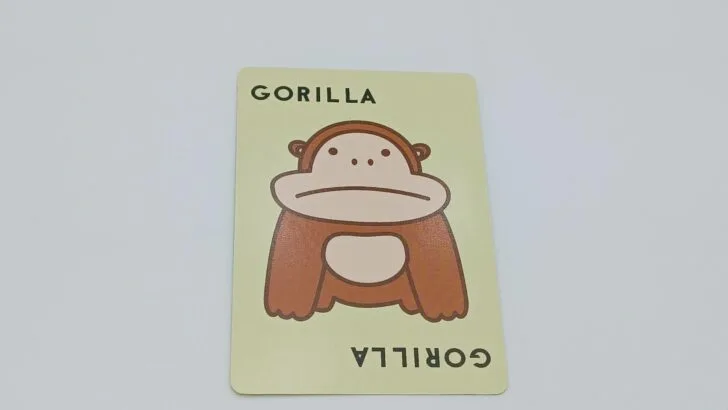
When the Gorilla card is played in Taco Cat Goat Cheese Pizza, all players must immediately beat their chest with both hands before slapping the central pile.
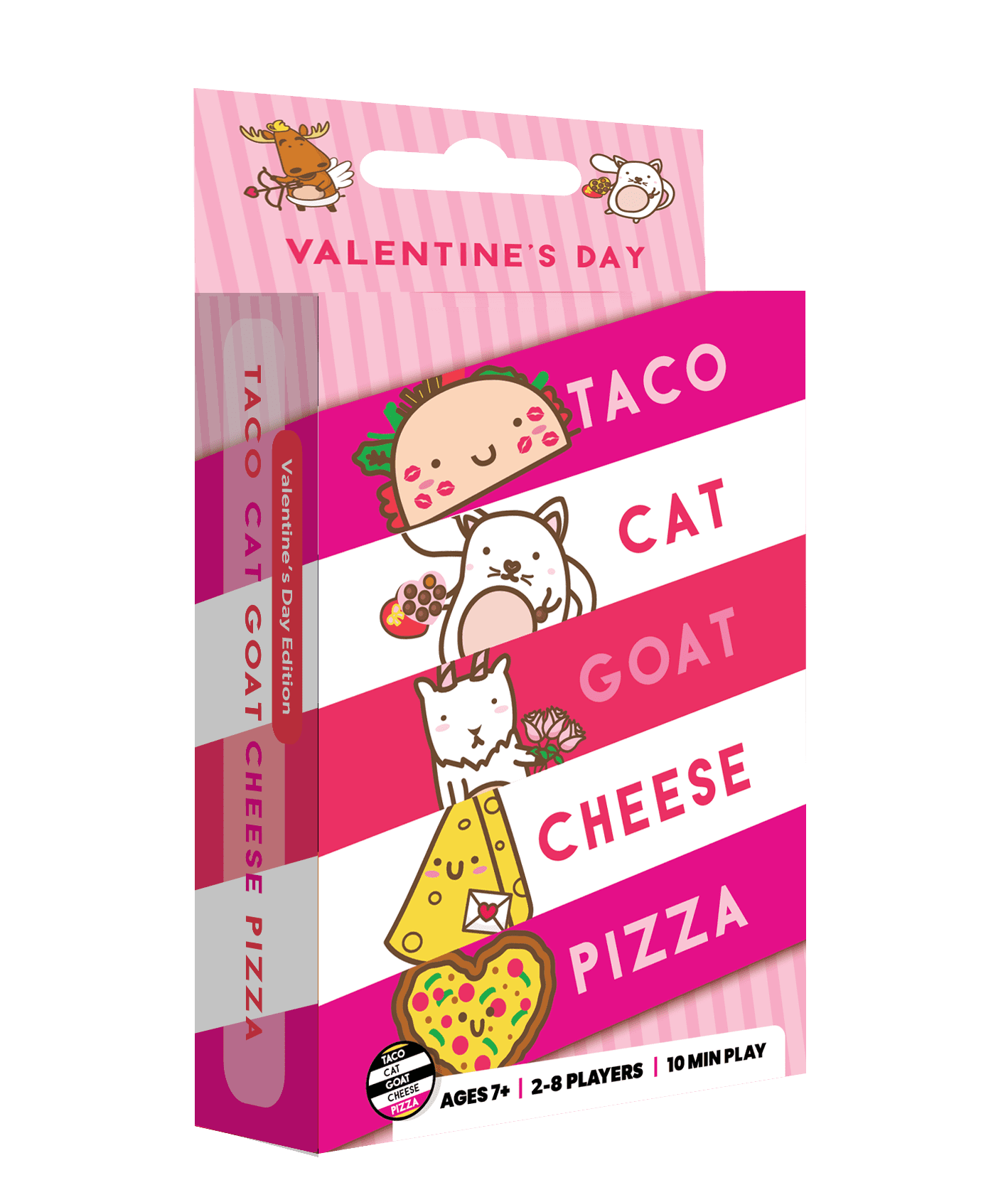
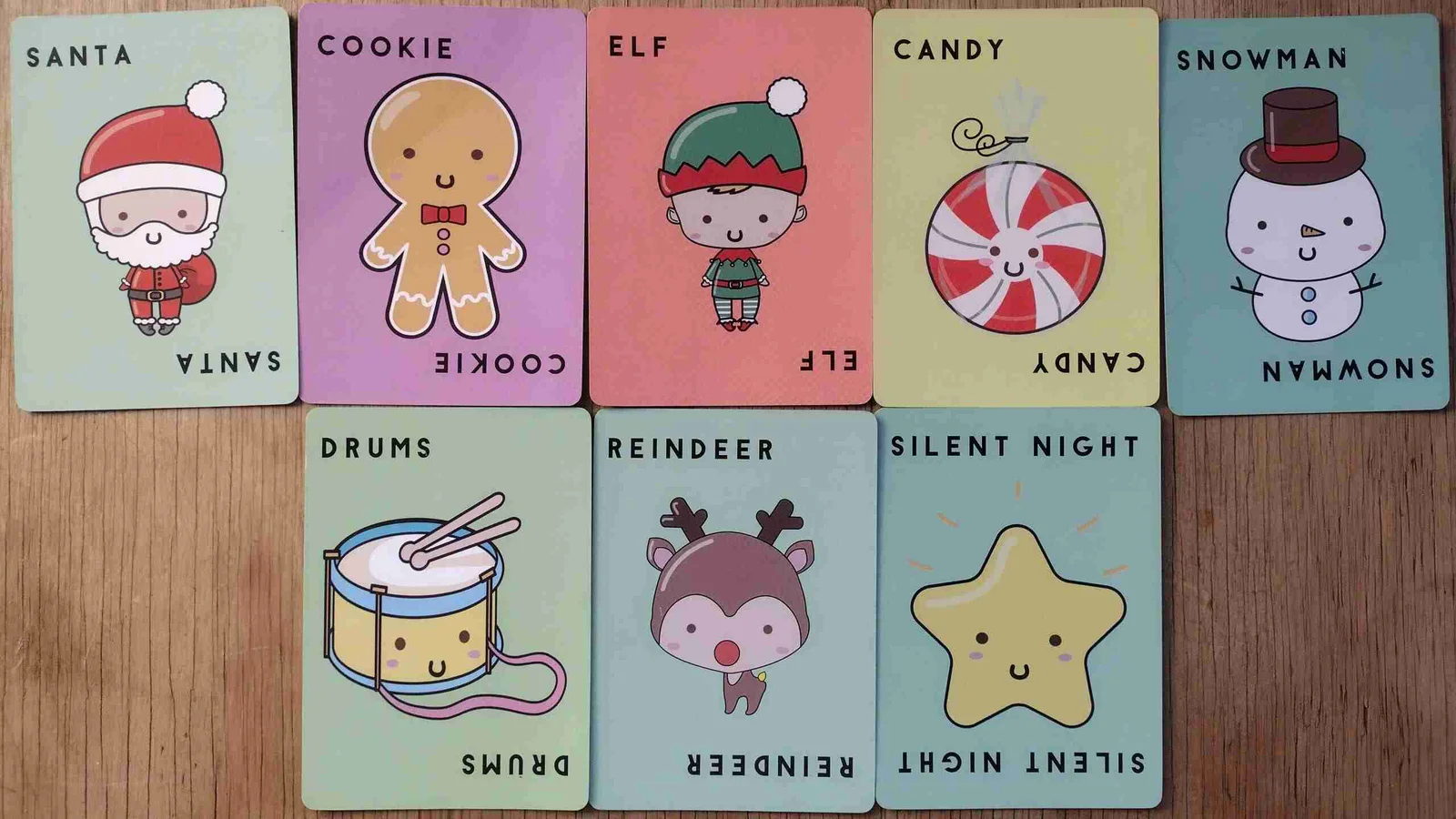
Taco Cat Goat Cheese Pizza Valentine's Edition The Perfect Romantic Game Night for Couples & Friends!

Yes - Taco Cat Goat Cheese Pizza is one of the easiest card games to learn. The rules take under 2 minutes to explain, require no reading, and most players understand after watching one round. Here is the complete beginner guide.
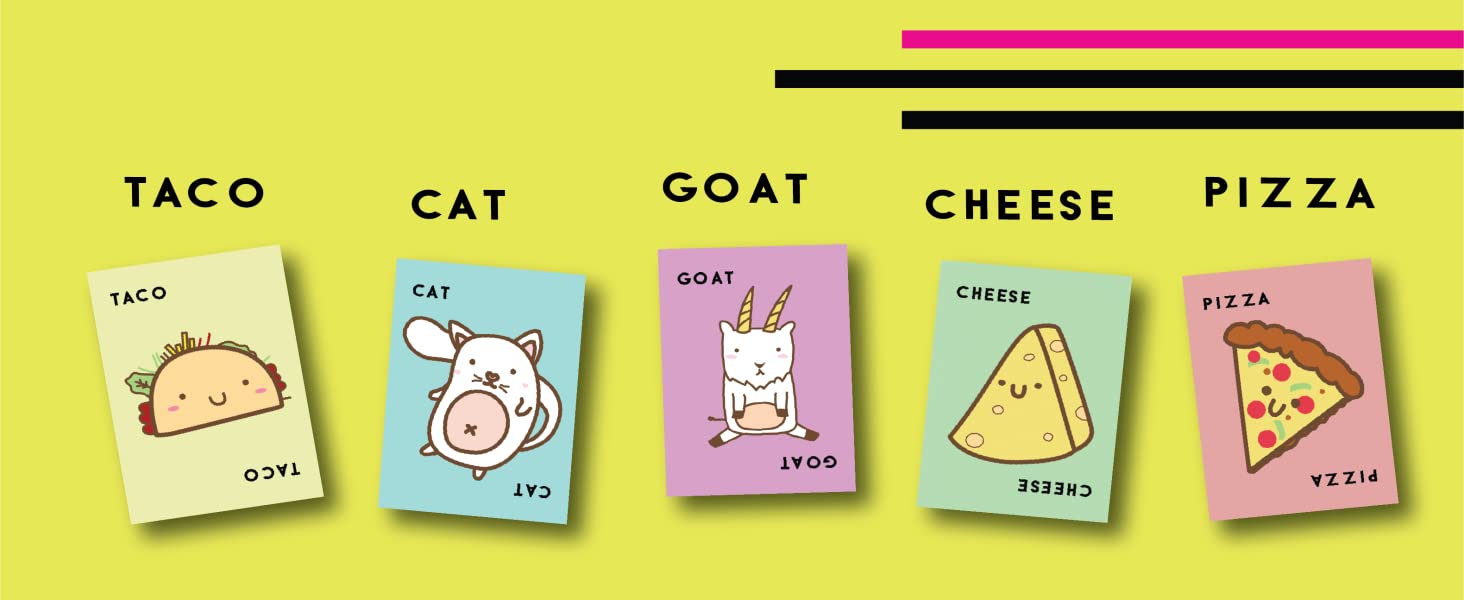
The standard Taco Cat Goat Cheese Pizza game comes with 64 cards, which includes 59 main cards (11 of each Taco, Cat, Goat, Cheese, Pizza, plus 4 special action cards) and 3 unique action cards (Gorilla, Groundhog, Narwhal), plus rule cards, making a total of 64 unique playing cards in the deck for the fast-paced matching and slapping game.
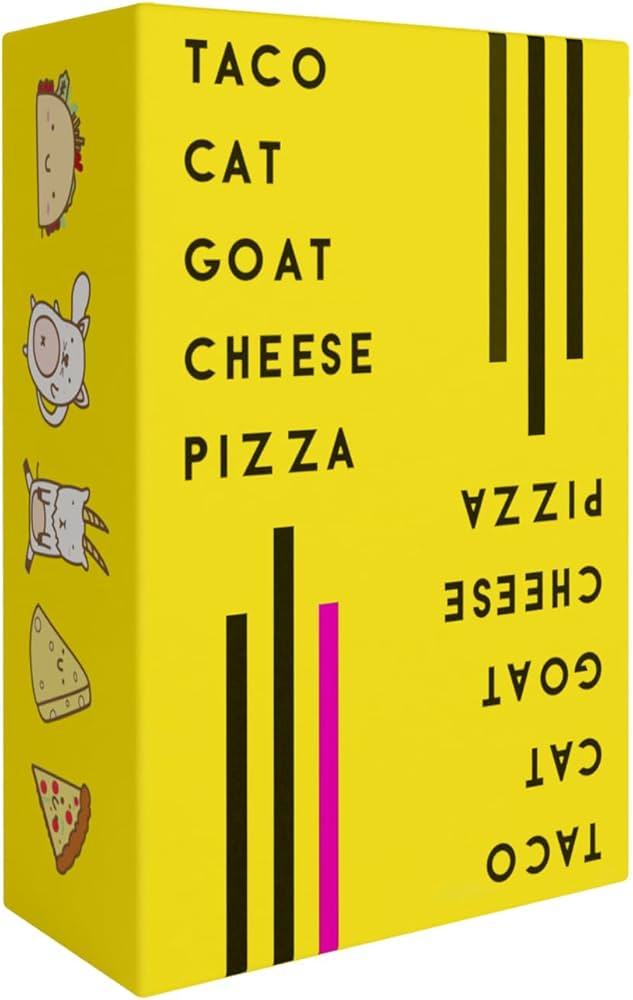
Taco Cat Goat Cheese Pizza is recommended for ages 7 or 8 and up, depending on the specific edition
The Taco Cat Goat Cheese Pizza Ridiculously Large Edition features the same fast-paced slap-the-pile gameplay as the original, but with giant 8.5 x 6 inch cards designed for parties, outdoor events, and groups of up to 8 players. This guide covers everything from rules and card types to where to buy it at the best price.